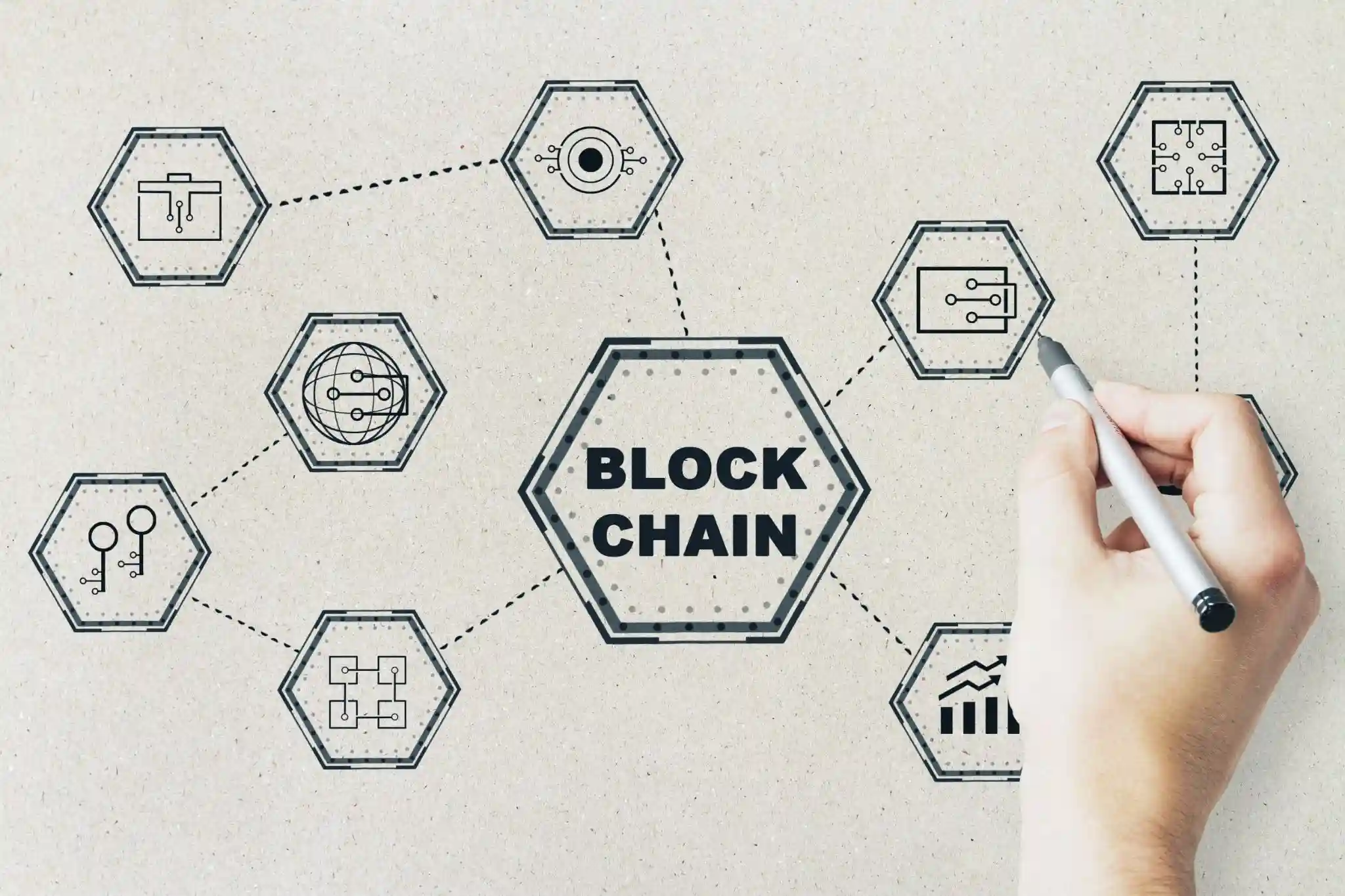

Blockchain technology, originally devised for cryptocurrency, has rapidly evolved into a transformative force across various sectors. Its decentralized nature, transparency, and security features make it an attractive solution for many industries seeking to streamline operations and improve trust. In this blog, we’ll explore which industries benefit the most from blockchain technology, examining real-life examples and expert insights to illustrate its potential.
Financial Services: Transforming Transactions
The financial services industry was one of the first to embrace blockchain technology. Traditional banking systems are often laden with inefficiencies, including lengthy transaction times and high fees. Blockchain mitigates these issues by enabling peer-to-peer transactions without intermediaries.
For instance, Ripple is a blockchain-based payment protocol that allows banks to conduct cross-border transactions in real time. This system reduces the time it takes to settle international payments from days to mere seconds. According to a report from the World Economic Forum, by 2027, 10% of global GDP is expected to be stored on blockchain technology.
Supply Chain Management: Enhancing Transparency
Supply chain management is another sector significantly benefiting from blockchain technology. The ability to track goods in real time ensures transparency and reduces fraud. Companies like IBM and Walmart have launched initiatives utilizing blockchain to enhance their supply chains.
In a partnership, IBM and Walmart developed a system that tracks food products from farm to table. This initiative allows for quick identification of contaminated products, speeding up recalls and improving food safety. A study from the Capgemini Research Institute indicates that 75% of supply chain executives believe blockchain will enable more transparent and efficient operations.
Healthcare: Safeguarding Patient Data
The healthcare industry is increasingly adopting blockchain to secure patient data while improving accessibility. Patient records stored on a blockchain can be shared seamlessly among healthcare providers, ensuring a comprehensive view of a patient’s medical history.
One notable example is the collaboration between Medicalchain and various healthcare partners, which allows patients to control their medical data through a secure blockchain platform. This initiative not only secures sensitive information but also empowers patients to share their data with healthcare providers as needed.
Moreover, blockchain can streamline the pharmaceutical supply chain, ensuring that drugs are authentic and not counterfeit. The World Health Organization estimates that counterfeit medicines account for 10% of the global market, which blockchain can help eliminate.
Real Estate: Streamlining Transactions
The real estate industry is notorious for its complex and often opaque transactions. Blockchain technology can streamline these processes by enabling smart contracts, which automatically execute agreements when conditions are met. This minimizes the need for intermediaries, reducing transaction costs and increasing efficiency.
A notable example is Propy, a real estate platform that uses blockchain to facilitate property transactions. By storing property titles on the blockchain, Propy makes it easier to verify ownership and transfer titles securely. This innovation not only enhances the buying and selling process but also reduces the risk of title fraud, which has plagued the industry for years.
Energy: Promoting Sustainable Practices
The energy sector is experiencing a revolution thanks to blockchain technology. With the rise of renewable energy sources, managing decentralized energy production has become increasingly complex. Blockchain can facilitate peer-to-peer energy trading, allowing consumers to buy and sell excess energy generated from solar panels or wind turbines.
Power Ledger, an Australian company, exemplifies this innovation by enabling users to trade renewable energy locally. This system not only promotes sustainability but also empowers consumers to take control of their energy usage and costs. A report from the International Energy Agency suggests that blockchain could play a vital role in achieving a more sustainable energy future.
Government: Improving Public Services
Governments around the world are exploring blockchain technology to enhance public services and increase transparency. By utilizing blockchain for public records, such as land titles and voter registrations, governments can reduce fraud and improve the efficiency of their services.
Estonia is a leading example of a nation leveraging blockchain technology. The country’s e-Residency program allows individuals to establish and manage businesses online, with all data secured on a blockchain. This system not only simplifies bureaucratic processes but also enhances trust in government operations.
Retail: Revolutionizing Customer Experience
The retail industry is also tapping into blockchain technology to improve the customer experience. By utilizing blockchain for supply chain transparency, retailers can provide consumers with verified information about the origins of products. This is particularly relevant in industries like fashion and food, where consumers increasingly prioritize ethical sourcing.
For instance, Everledger uses blockchain to track the provenance of diamonds, ensuring they are ethically sourced and conflict-free. This transparency builds consumer trust and loyalty, as buyers are more likely to purchase products that align with their values.
Education: Securing Credentials
The education sector is beginning to recognize the potential of blockchain technology to secure academic credentials. Traditional systems for verifying degrees and certifications are often slow and prone to fraud. Blockchain can store educational records securely, enabling employers to verify credentials instantly.
MIT Media Lab has been a pioneer in this area, issuing digital diplomas to graduates on the blockchain. This initiative not only simplifies the verification process but also empowers students to take ownership of their educational achievements.
Conclusion: The Future of Blockchain Across Industries
As we move deeper into the digital age, the applications of blockchain technology will continue to expand across various sectors. From finance to healthcare and beyond, the benefits of decentralization, transparency, and security are reshaping how industries operate. As businesses increasingly adopt blockchain solutions, we can anticipate not only improved efficiency but also greater trust among stakeholders.
The real-world examples discussed demonstrate that blockchain is not just a theoretical concept; it is already making tangible impacts across industries. As researchers and developers continue to innovate, the potential for blockchain technology to transform our world is limitless.
In the coming years, we can expect to see more industries leveraging blockchain to solve complex problems, enhance transparency, and foster trust. As we embrace this technology, the future looks promising, with the potential for increased efficiency and improved services across the board.
Frequently Asked Questions
1. How does blockchain technology improve supply chains?
Blockchain enhances supply chains by providing transparent tracking of goods, ensuring authenticity, and reducing fraud. This fosters trust among all stakeholders and enables quick responses to issues like product recalls.
2. What are the main benefits of blockchain in healthcare?
Blockchain secures patient data, allows seamless sharing among providers, and enhances the integrity of pharmaceutical supply chains. This leads to better patient outcomes and improved data management.
3. Can blockchain technology reduce fraud in real estate transactions?
Yes, blockchain reduces fraud in real estate by securely storing property titles and enabling smart contracts. This ensures transparency and minimizes the risk of title fraud during transactions